
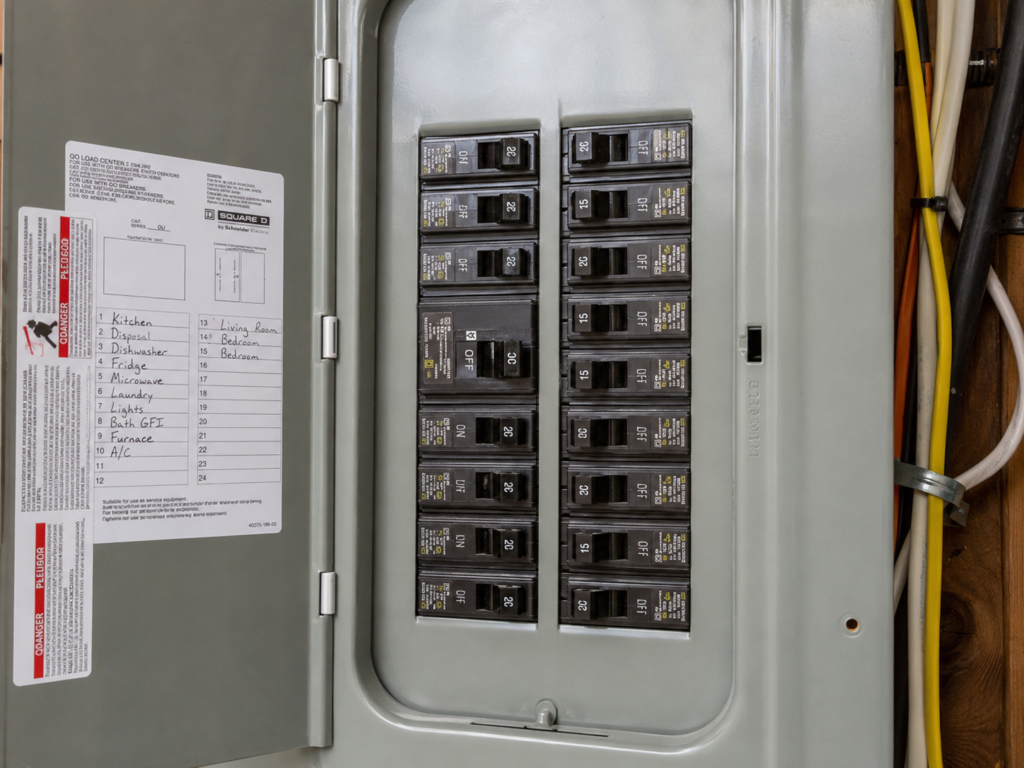
A circuit breaker that keeps tripping is trying to tell you something. In most cases, it is shutting power off because the circuit is overloaded, there is a wiring fault, or something connected to the circuit is unsafe.
For homeowners and business owners in Barrie and Simcoe County, the key is knowing what can be checked safely and when the issue needs a licensed electrician.
What Does It Mean When a Circuit Breaker Keeps Tripping?
A breaker is a safety device. Its job is to stop electrical flow when a circuit is pulling too much current or when a fault is detected.
When a breaker trips once, the cause may be simple. A space heater, microwave, hair dryer, power tool, or appliance may have pushed the circuit past its safe limit.
When the same breaker keeps tripping, the issue should not be ignored. Repeated tripping can point to a deeper problem with the load, wiring, device, appliance, or breaker itself.
A breaker should not be treated like a switch you keep resetting until it stays on. If it keeps shutting off, there is a reason.
Common Reasons a Circuit Breaker Keeps Tripping
There are several reasons a circuit breaker keeps tripping. Some are simple to identify. Others require testing, panel work, or circuit troubleshooting.
The most common causes include:
- Circuit overloads
- Short circuits
- Ground faults
- Faulty appliances
- Loose or damaged wiring
- A failing breaker
Each cause creates a different risk. Overloads usually happen when too many devices are pulling power from the same circuit. Faults can be more serious because they may involve damaged conductors, moisture, or current moving where it should not.
Safety Tip: Do Not Keep Resetting the Same Breaker
If a breaker trips again immediately after being reset, stop resetting it. Leave it off and disconnect what you can safely unplug. A breaker that trips instantly may be reacting to a short circuit or ground fault.
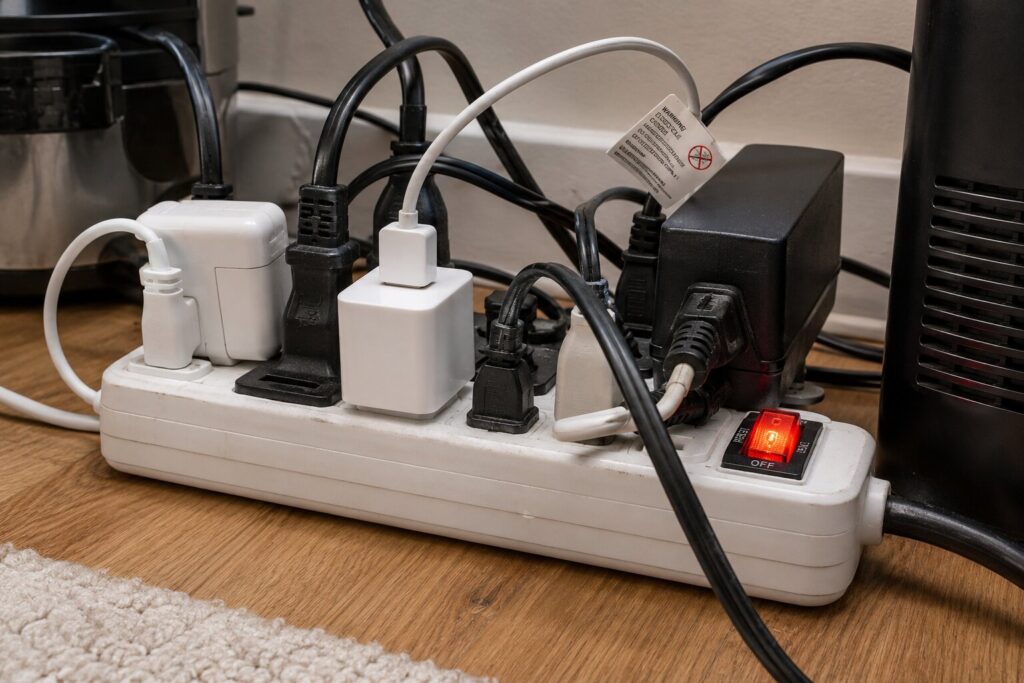
Circuit Overloads
A circuit overload happens when too much power is being used on one circuit. The wiring is only designed to carry a certain amount of current. When the demand gets too high, the breaker trips to protect the circuit.
This often happens in kitchens, bathrooms, garages, workshops, basements, and older homes where modern electrical demand has outgrown the original layout.
Common overload examples include a heater and vacuum on the same circuit, several kitchen appliances running together, or power tools sharing one garage circuit.
In Barrie homes with older wiring or limited panel capacity, recurring overloads may be a sign that the electrical system needs more than a quick fix. Our Barrie home rewiring service can help address outdated wiring, overloaded circuits, and electrical layouts that no longer match how the home is used.
Local Tip: Older Homes Often Need a Closer Look
Some older homes in Barrie and surrounding Simcoe County communities were not built for today’s electrical demand. Home offices, basement suites, hot tubs, EV charging, workshop tools, and larger appliances can expose limits in an older electrical setup.
Short Circuits
A short circuit happens when electrical current takes an unintended path. This may occur when a hot wire touches a neutral wire, a damaged conductor, or another part of the electrical system it should not contact.
Short circuits can cause a breaker to trip immediately. They may also create popping sounds, burning smells, scorch marks, or visible damage near an outlet, switch, fixture, or appliance.
This is not a safe DIY troubleshooting area. A short circuit can create high heat quickly and may lead to fire risk if the breaker does not respond properly.
If a breaker trips the moment it is reset, or if there are any signs of heat, melting, or burning, the circuit should stay off until it is inspected.
Ground Faults
A ground fault happens when electrical current escapes its normal path and moves toward ground. Moisture, damaged insulation, outdoor wiring, appliances, or worn equipment can all be involved.
Ground faults are especially concerning in wet or damp areas. Bathrooms, kitchens, basements, garages, laundry rooms, exterior outlets, and outdoor equipment are common places where ground fault protection matters.
GFCI protection is designed to reduce shock risk by shutting power off quickly when a fault is detected. If a GFCI outlet or breaker keeps tripping, it may be responding correctly to an unsafe condition.
Code Tip: Wet Areas Need Proper Protection
In Ontario, electrical work must follow the Ontario Electrical Safety Code and ESA requirements. Circuits in damp or high-risk areas may need specific protection, approved devices, correct installation, and inspection where required.

Faulty Appliances
Sometimes the breaker is doing its job, and the real problem is the appliance plugged into the circuit.
A damaged cord, failing motor, internal short, heating element issue, or moisture inside an appliance can cause repeated tripping. This can happen with refrigerators, microwaves, washing machines, dryers, sump pumps, heaters, power tools, and outdoor equipment.
A safe first step is to unplug devices from the affected circuit and see whether the breaker holds. If it only trips when one appliance is plugged back in or turned on, that appliance may need repair or replacement.
Do not test suspicious appliances on multiple circuits to “prove” the problem. That can spread the risk to other areas of the property.
Signs the Breaker Itself May Be Failing
Breakers can wear out over time. A faulty breaker may trip too easily, fail to reset, feel loose, or show signs of heat damage.
Possible warning signs include:
- Breaker feels hot to the touch
- Burning smell near the panel
- Breaker will not stay in the on position
- Buzzing or crackling near the panel
- Scorching, discolouration, or melted material
- Breaker trips even with little or no load
Electrical panels should be handled carefully. Removing the panel cover exposes energized components that can cause serious injury.
If the issue appears to be inside the panel, it is time to call a licensed electrician.
Is It Dangerous if a Circuit Breaker Keeps Tripping?
Yes, it can be dangerous if a circuit breaker keeps tripping. The breaker may be preventing overheating, fire risk, equipment damage, or electrical shock.
The danger depends on why it is tripping. An overload may be solved by reducing demand on the circuit. A short circuit, ground fault, damaged wire, or failing breaker requires more caution.
Repeated tripping should not be ignored because it means the circuit is being interrupted again and again. That pattern deserves attention.
For larger loads, such as EV charging, tripping may happen when the circuit, charger, or panel setup is not matched correctly. Our guide to types of electric vehicle chargers explains why charger level, circuit size, and charging speed should be planned together.
What Homeowners Can Safely Check
There are a few things homeowners can check without opening the panel or touching wiring.
Start by identifying which rooms, outlets, lights, or appliances lost power. Unplug devices on that circuit, especially anything with heat, a motor, or visible damage. Reset the breaker once. If it holds, plug devices back in one at a time.
If one device causes the breaker to trip, stop using that device. If the breaker trips with nothing plugged in, the problem may be in the wiring, breaker, fixture, or connected equipment that is not easy to isolate.
Homeowners can also check for obvious warning signs such as burning smells, warm outlets, buzzing sounds, flickering lights, cracked outlet covers, or moisture near electrical equipment.
Do not remove outlet covers, open junction boxes, remove the panel cover, or attempt wiring repairs without proper licensing.
Cost Tip: Document the Pattern Before Calling
Before booking service, write down which breaker trips, what was running, how often it happens, and whether it trips immediately or after several minutes. Clear information helps us narrow the issue faster.
When to Call a Licensed Electrician
Call a licensed electrician when the same breaker keeps tripping, the breaker trips immediately, there are burning smells, lights flicker, outlets feel warm, or the issue involves the panel.
Professional troubleshooting is also needed when the circuit serves critical equipment, outdoor wiring, basement power, a sump pump, garage equipment, or commercial operations.
For EV charger circuits in Barrie, breaker trips may point to charger settings, circuit sizing, load management, or panel capacity. Our EV charger installation in Barrie includes the electrical review needed to avoid nuisance tripping and unsafe installations.
Businesses should also be careful. A tripping breaker can affect refrigeration, computers, payment systems, security equipment, lighting, or customer areas. Waiting too long can turn a small issue into downtime.
Electrical Troubleshooting in Barrie and Simcoe County
Electrical troubleshooting starts with the pattern. We look at when the breaker trips, what the circuit powers, whether the issue is load-related, and whether there are signs of a wiring fault.
From there, we can test the circuit, inspect connections, assess the panel, and identify whether the issue is an overloaded circuit, appliance fault, ground fault, short circuit, or failing breaker.
As a Barrie-based electrical contractor, we work with homeowners and businesses across the region. If the issue is at a property near central Barrie, our Barrie electrical services are built around safe diagnostics and practical repairs.
We also support surrounding communities where panel age, additions, garages, and rural layouts can change how troubleshooting is handled. For homes and businesses north of Barrie, our Orillia electricians can help identify the cause before more damage is done.

Frequently Asked Questions
If a breaker trips with nothing plugged in, the issue may be in the wiring, breaker, fixture, hardwired equipment, or another hidden connection on the circuit. Leave the breaker off and arrange an inspection.
A delayed trip often points to overload, heat buildup, a motor starting under load, or equipment drawing too much current over time. The timing helps narrow the cause.
Panel work should be handled by a licensed electrician. A breaker must match the panel, circuit, wire size, and code requirements. Installing the wrong breaker can create a serious hazard.
Not always. One trip may happen from temporary overload. It becomes more urgent when the breaker keeps tripping, trips immediately, smells hot, affects important equipment, or shows signs of electrical damage.
Get the Breaker Problem Checked Before It Gets Worse
A tripping breaker is a warning, not an annoyance to work around. It may be protecting the property from overload, damaged wiring, appliance failure, shock risk, or fire risk.
The best move is to reduce the load, check for obvious appliance issues, and avoid repeated resets. When the pattern continues, licensed troubleshooting is the right next step.
For electrical troubleshooting in Barrie and Simcoe County, start with our CMi Electric quote request page and we can help identify the cause safely.