
The transition to electric vehicles (EVs) is reshaping how we drive in Barrie and Simcoe County. But unlike stopping at a gas station for five minutes, “fueling” an EV requires a bit more strategy. For new owners, the terminology can be confusing. What is the difference between Level 1 and Level 2? Do you need a special panel upgrade?
If you are looking to wake up to a full battery every morning rather than worrying about range anxiety, understanding your hardware options is the first step.
In this guide, CMi Electric is here to break down the three main types of electric vehicle chargers, explain why safety is paramount, and help you choose the right setup for your home.
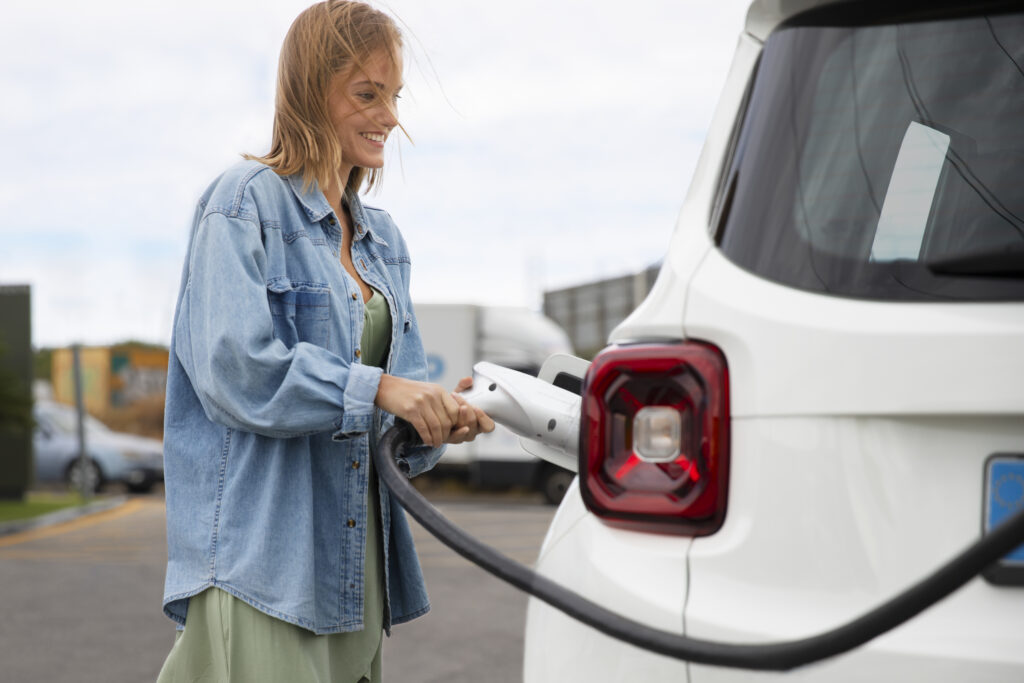
The Three Types of EV Charging Explained
Charging equipment is categorized into three distinct “levels,” determined by power output and charging speed. Understanding these levels will help you decide what you need for your daily commute.
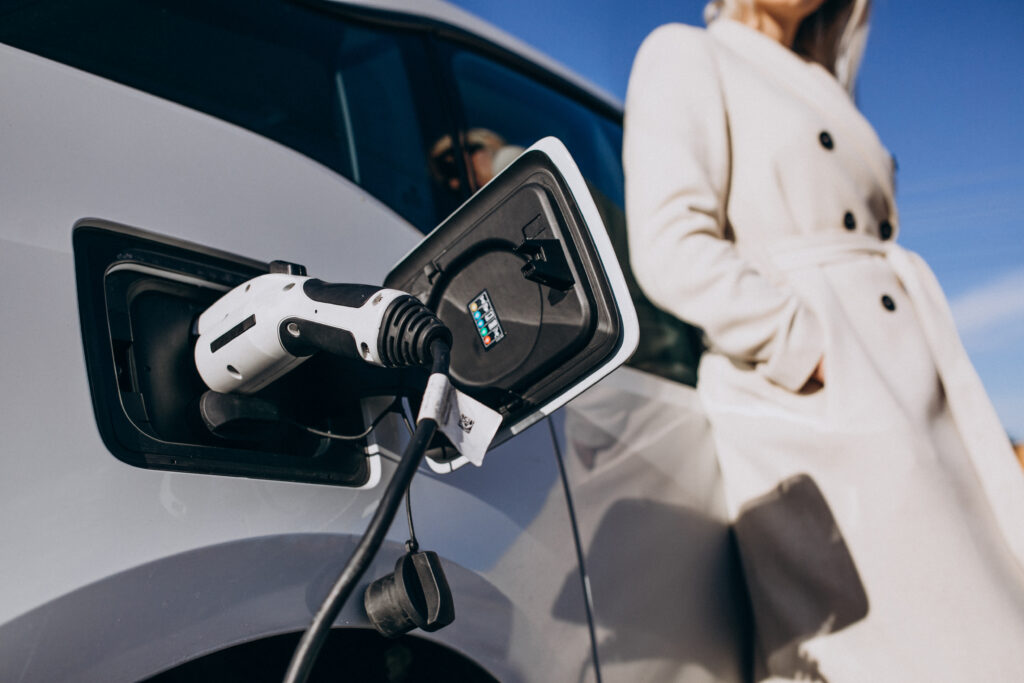
Level 1: The Standard "Trickle" Charge
- Voltage: 120 Volts (Standard household outlet)
- Speed: Adds ~5–8 km of range per hour
- Best For: Plug-in Hybrids (PHEVs) or emergency backup
Level 1 is the entry-level option. Most EVs come with a portable cord set that plugs directly into a standard three-prong wall outlet (NEMA 5-15). It requires no special installation—if you can plug in a toaster, you can plug in your car.
However, the convenience comes at a cost: speed. Level 1 is incredibly slow. Charging a fully electric vehicle with a 400 km range could take over 40 hours. For drivers in Barrie, relying on Level 1 in the winter is risky; in freezing temperatures, the battery may use energy to stay warm almost as fast as the wall outlet can provide it.
Level 2: The Home Standard
- Voltage: 208V or 240V (Similar to a dryer or stove outlet)
- Speed: Adds ~30–60 km of range per hour
- Best For: Daily commuting and pure electric vehicles (BEVs)
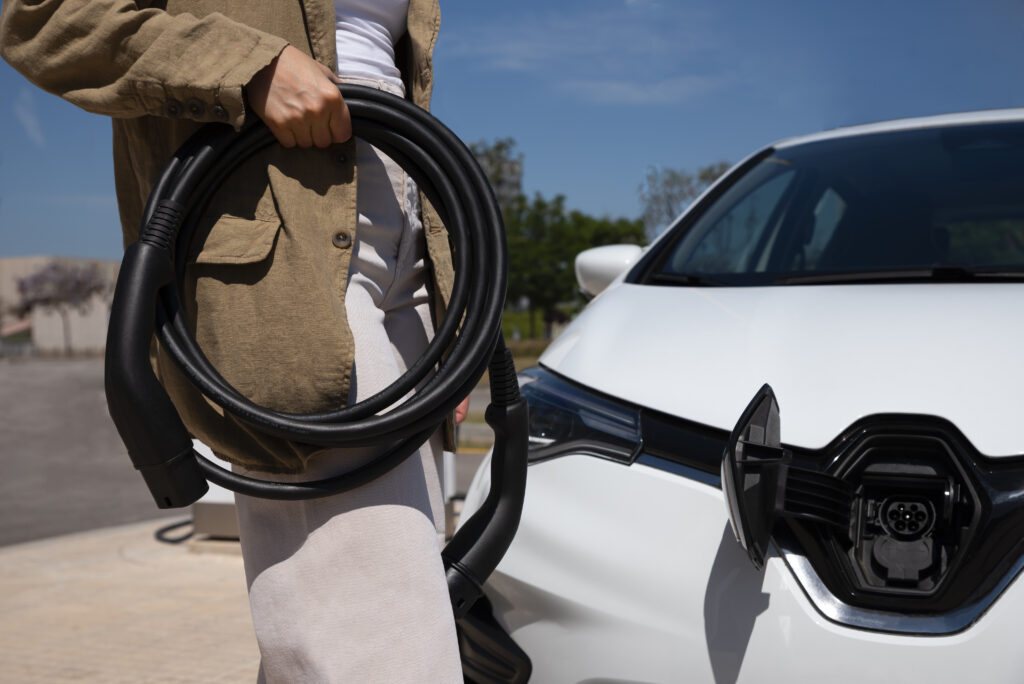
This is the gold standard for home charging. A Level 2 station delivers power significantly faster, allowing you to charge your vehicle from empty to full overnight (typically 8–10 hours).
Having CMI Electric install a Level 2 charger transforms the ownership experience. It eliminates “range anxiety” and allows you to take advantage of Time-of-Use electricity rates by scheduling your charging during off-peak hours.
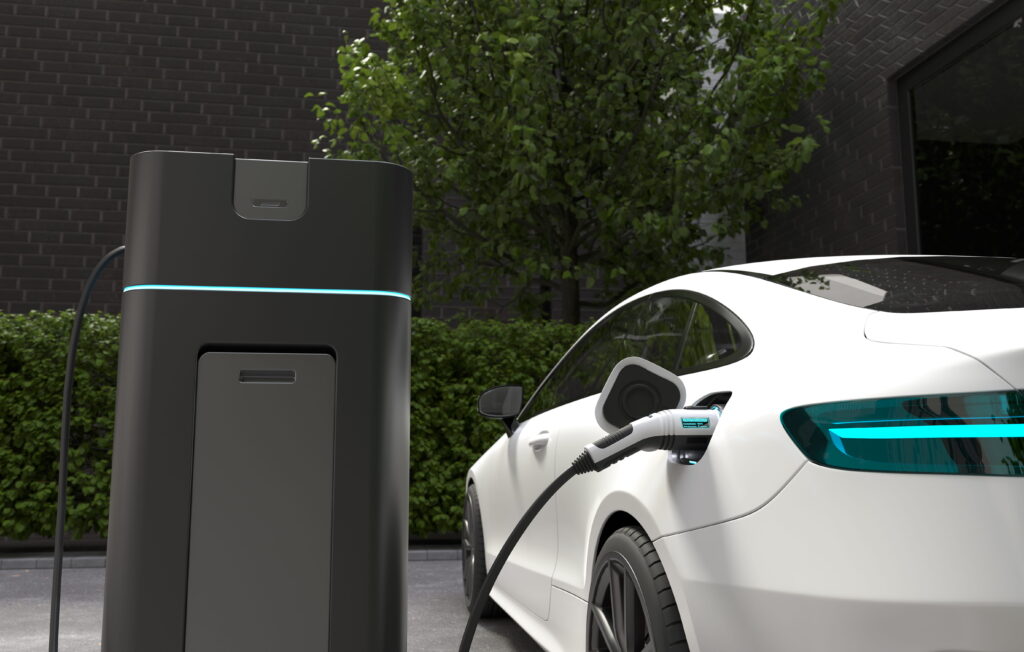
Level 3: DC Fast Charging (Superchargers)
- Voltage: 480+ Volts (Direct Current)
- Speed: Charges 80% of the battery in 20–40 minutes
- Best For: Highway stops and long road trips
Level 3 chargers are the massive stations you see at ONroute stops or shopping centers. They bypass the vehicle’s onboard converter to push DC power directly into the battery.
Note: Level 3 chargers are for commercial and public use only. Due to their massive power draw and cost ($50,000+), they are not installed in residential homes.
Why Professional Installation for EV Chargers is Non-Negotiable
While buying the charger is easy, installing it is a complex electrical task. An EV charger is a “continuous load” device, meaning it draws high amperage for hours at a time. If installed incorrectly, this creates a significant fire hazard.
The “EV Ready” Assessment
Before you plug in, your home’s electrical system needs to be evaluated. Many older homes in Barrie have 100-amp panels that may not have the capacity to run an EV charger alongside an air conditioner, electric stove, and dryer.
Professional electricians perform a load calculation to determine if your panel can handle the extra demand. If your panel is full, you don’t always need an expensive service upgrade; solutions like “load management systems” (which pause charging when other heavy appliances run) can be a cost-effective alternative.
Electrical Safety Authority (ESA) Requirements
In Ontario, strict safety codes govern EV installations.
- Permits: A notification of work must be filed with the Electrical Safety Authority (ESA) before installation begins.
- Inspection: Once the work is done, an ESA inspector reviews the installation.
- Certificate: You receive a Certificate of Inspection. Without this, your home insurance could be voided in the event of an electrical issue.
Attempting a DIY installation or hiring an unlicensed handyman is illegal and dangerous. For code-compliant work that guarantees safety, trust the experts at CMi Electric to handle the permitting and technical details for you.
Choosing the Right Electric Vehicle Charger for Your Lifestyle
With brands like Flo, Grizzl-E, ChargePoint, and Tesla on the market, choosing the right hardware can be tough. Here are three factors to consider:
1. Amperage (30A vs. 48A)
Higher amperage means faster charging, but it also requires heavier wiring.
- 32-Amp Chargers: Sufficient for most overnight charging needs.
- 40 to 48-Amp Chargers: The fastest home options available. These are great for “future-proofing,” but require a 60-amp breaker and robust wiring.
2. Plug-in vs. Hardwired
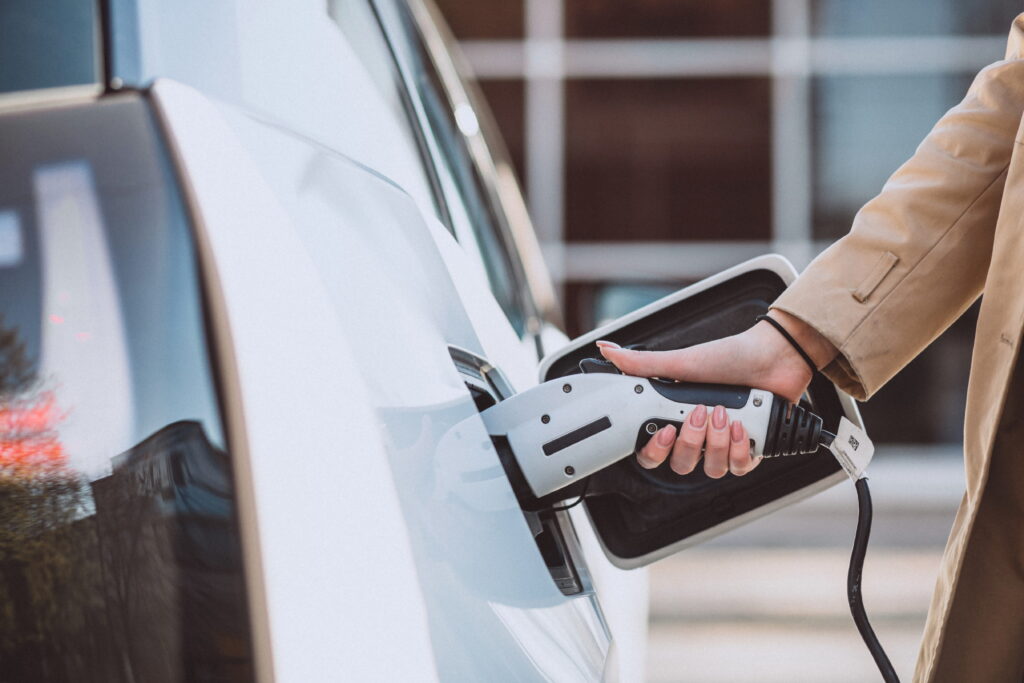
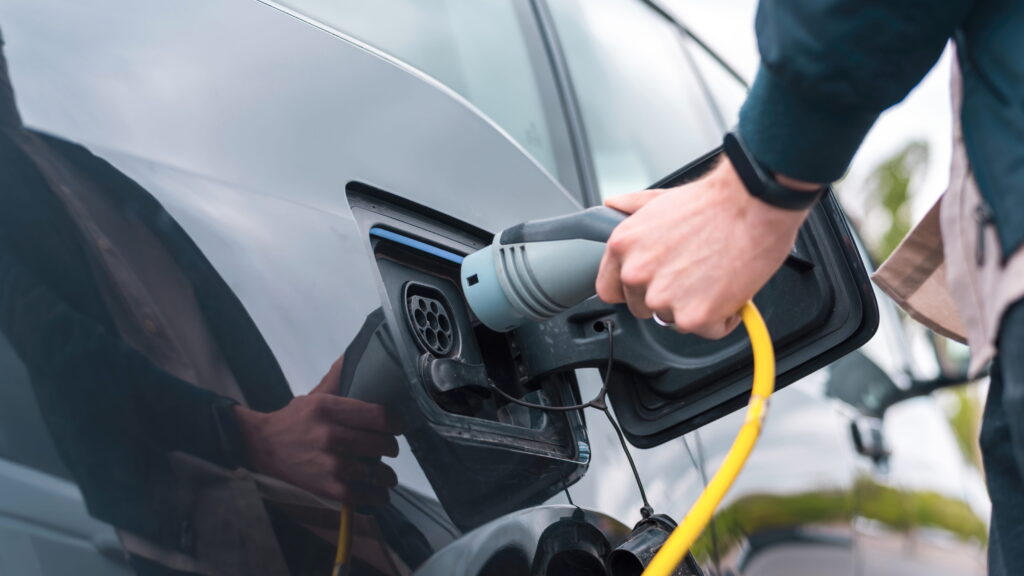
You can choose a unit that plugs into a 240V outlet (NEMA 14-50) or one that is hardwired directly into the electrical box.
- Hardwired: Generally safer and more reliable, especially for outdoor installations where moisture can corrode outlets.
- Plug-in: Offers portability if you move houses, but requires an expensive GFCI breaker by code, often making it pricier to install than a hardwired unit.
3. Smart Features
“Smart” chargers connect to Wi-Fi to track energy usage and schedule charging times. While standard “dumb” chargers are cheaper, smart chargers can save you money long-term by ensuring you only charge when electricity rates are lowest (e.g., Ultra-Low Overnight rates).
Frequently Asked Questions
Not necessarily. If you have spare capacity, a dedicated circuit is all you need. If your panel is maxed out, we can install a Load Management Device to add the charger without upgrading your entire service.
Costs vary based on the distance from your panel to the garage and the complexity of the wiring path. It is best to get a customized quote.
Yes, with an adapter. However, Tesla’s new Universal Wall Connector works with all vehicles. Conversely, if you own a Tesla, you can use any standard J1772 charger with the adapter that came with your car.
Ready to Invest in an Electric Vehicle Charger?
Driving electric is a commitment to a cleaner future, but your car is only as reliable as its charger. Living in Simcoe County, where winter temperatures can affect battery performance, having a reliable Level 2 home charging station is the key to enjoying your EV to the fullest.
Don’t guess when it comes to high-voltage electricity. Ensure your system is safe, efficient, and code-compliant.
For a seamless experience from assessment to inspection, contact CMI Electric today. We are Barrie’s trusted partner for professional EV charger installations, helping you get on the road with confidence.