
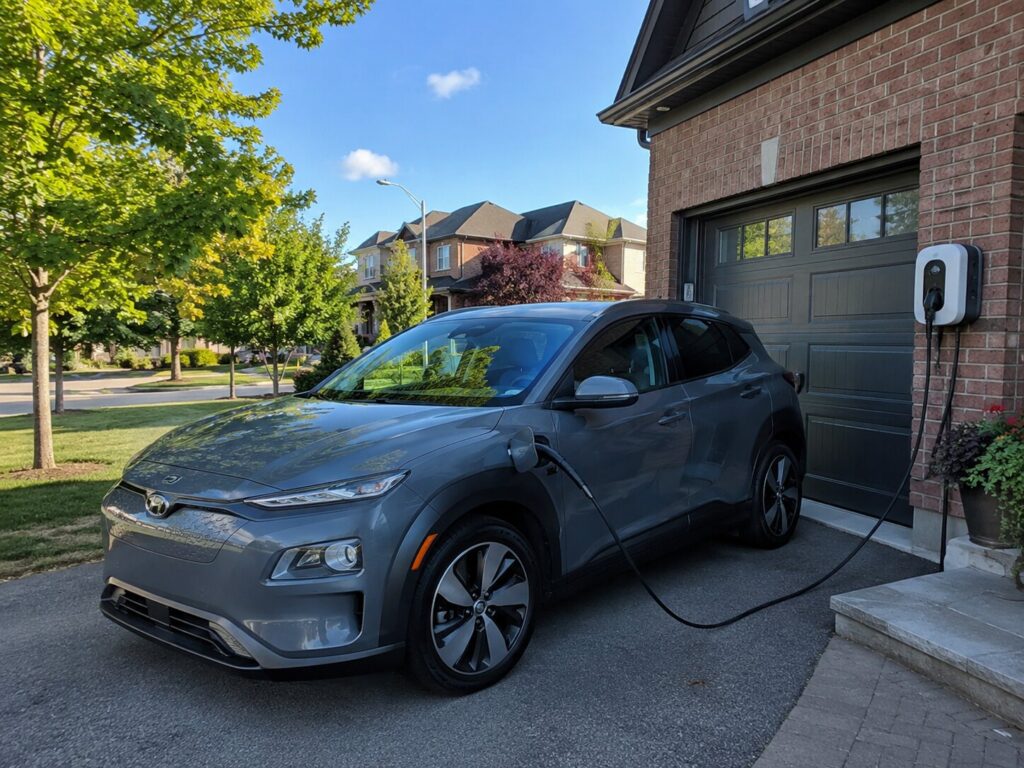
An electric car moves by using stored electricity instead of burning gasoline. The battery supplies power, the motor turns that power into motion, and the charging system keeps the vehicle ready for everyday driving.
For drivers in Barrie and Simcoe County, the vehicle itself is only one part of the picture. A reliable home charging setup often becomes just as important as the car.
Sunlight Hits the Panel and Creates Electrical Flow
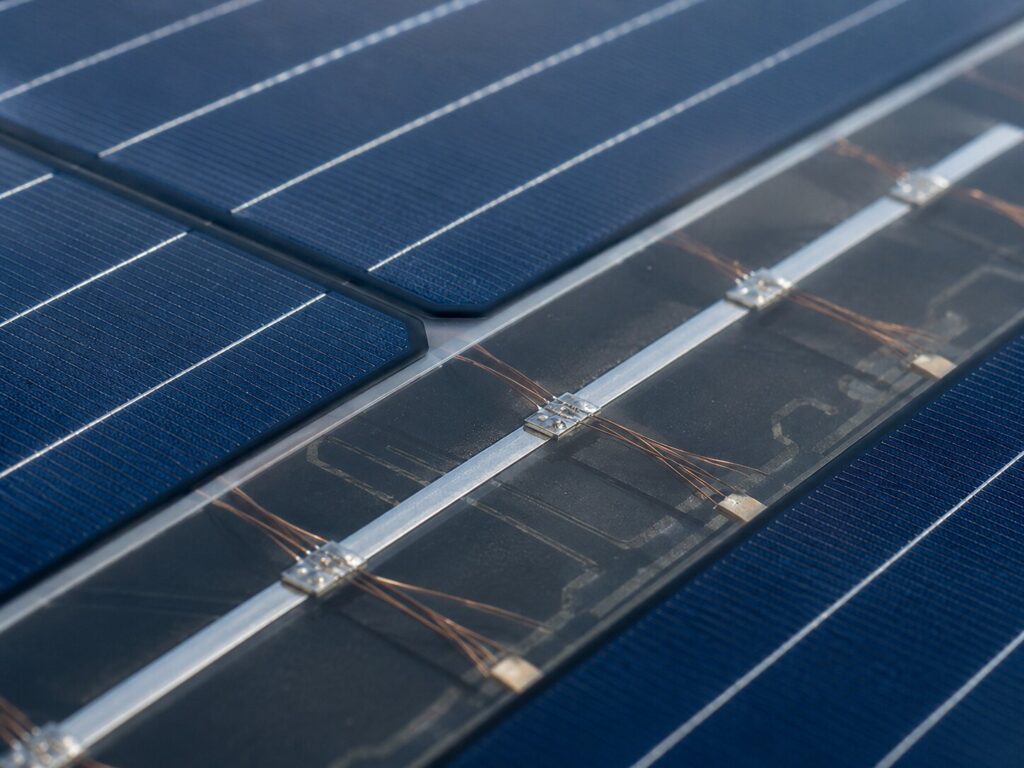
Solar panels are made of photovoltaic cells. Photovoltaic simply means that light is being converted into electricity.
When sunlight hits those cells, it energizes electrons inside the panel material. That movement creates direct current electricity, also called DC power.
DC power is not the same type of electricity most homes and businesses use from the wall. Before solar power can run regular equipment, it usually needs to pass through an inverter.
Little Tip: Solar Panels Do Not “Store” Power by Themselves
A solar panel produces electricity when light hits it. Storage only happens when the system includes batteries. Without batteries, unused solar power usually goes to the grid through a properly designed grid-tied setup.
What Solar Panels Are Actually Made Of
A solar panel is built from many smaller solar cells connected together. These cells are usually made from silicon, a material that reacts well to sunlight.
The panel also includes glass, wiring, a frame, and protective layers that help it handle outdoor exposure. Each panel produces a set amount of power under ideal conditions, but real output changes throughout the day.
Common factors that affect production include:
- Roof direction
- Shade from trees or nearby buildings
- Panel angle
- Snow cover
- Cloudy weather
- Dirt or debris on the panels
- System age and equipment condition
A good solar setup starts with sunlight, but it also depends on the condition of the building’s electrical system. In Barrie, older homes may need panel or wiring review before solar equipment is added, especially where our Barrie home rewiring service is already relevant for safety, renovation, or capacity planning.
DC Power vs AC Power
Solar panels produce DC power. Most homes and businesses use AC power, which stands for alternating current.
That conversion matters. Lights, outlets, appliances, office equipment, HVAC controls, and most building systems are designed around AC power.
The inverter handles the conversion from DC to AC. Once converted, solar power can be used inside the building, sent to the grid, or directed toward batteries if the system is designed for storage.
Code Tip: Solar Is Electrical Work
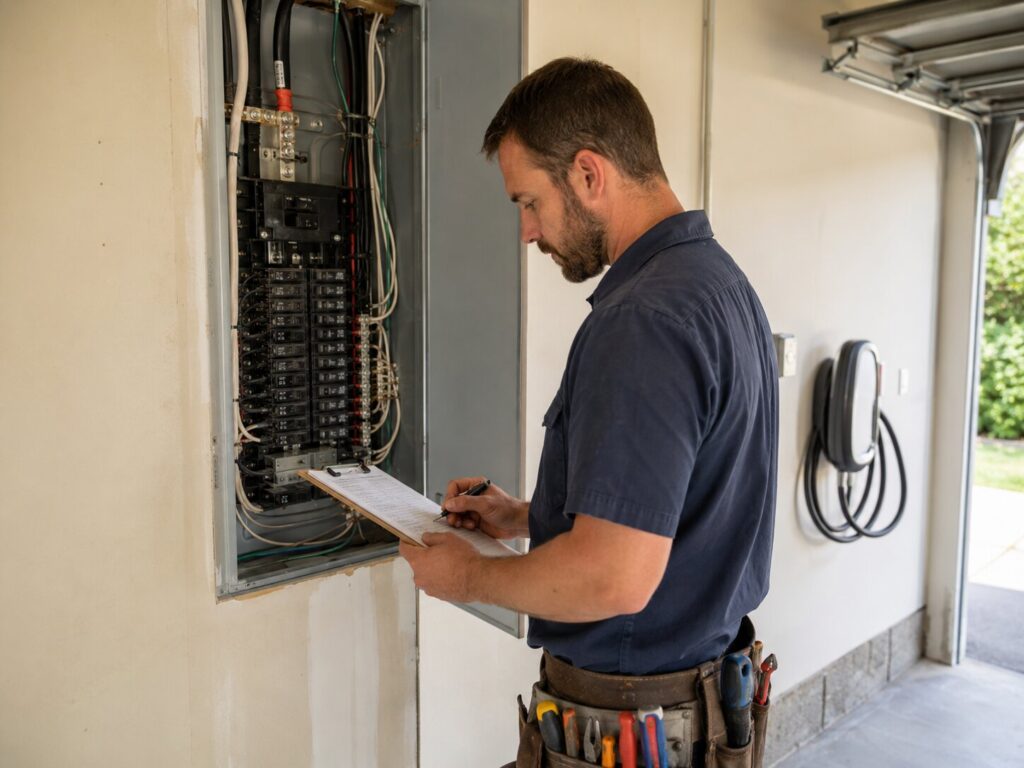
Solar equipment ties into the building’s electrical system. In Ontario, that means wiring, disconnects, inverter connections, grounding, labelling, permits, and inspections have to be handled correctly. ESA requirements apply when solar is connected to a property
What the Inverter Does
The inverter is one of the most important parts of a solar power system. Panels collect sunlight and create DC power, but the inverter makes that power usable for the building.
A standard inverter converts DC electricity into AC electricity. It also monitors voltage, frequency, and system output. Some systems use one central inverter, while others use microinverters installed behind each panel.
Microinverters can be useful when panels face different directions or experience uneven shading. A central inverter may be suitable when the roof layout is simpler.
The right choice depends on the building, roof layout, electrical design, and long-term maintenance preferences.
How Solar Power Moves Through a Building
After solar power is converted to AC, it moves into the electrical system through approved equipment. From there, the building can use the power as it is produced.
During sunny periods, solar may reduce how much electricity the building pulls from the grid. If the system produces more power than the building needs at that moment, the excess may be exported to the utility grid depending on the setup and utility arrangement.
At night, solar panels are not producing power. The building then uses grid power, battery power, or another backup source if one is installed.
For properties in Orillia and nearby parts of Simcoe County, solar planning can look different from one building to another. Our Orillia electricians can review panel location, service capacity, and electrical conditions before a larger energy project moves forward.
Grid-Tied Solar, Battery Solar, and Backup Power
Most residential solar systems are grid-tied. That means the property remains connected to the utility grid while the solar system helps supply electricity during production hours.
A grid-tied system does not automatically keep the building powered during an outage. Many systems are designed to shut down when the grid goes out so power does not feed back into utility lines.
Battery systems change that. With properly designed storage and transfer equipment, solar energy can charge batteries, and batteries can support selected loads when needed.
Backup power planning should be handled carefully. Solar, batteries, generators, and transfer equipment all need to work together safely. For Barrie homeowners comparing outage protection options, our generator installation in Barrie can also be part of the discussion when solar alone is not enough for reliable backup.
Safety Tip: Solar Does Not Make Outages Automatically Safe
A solar panel can still produce voltage when sunlight is present. Proper disconnects, labelling, and shutdown equipment protect electricians, firefighters, utility crews, and the property owner.
What Happens on Cloudy Days and in Winter
Solar panels still produce electricity on cloudy days, but output is lower. The system depends on available light, not heat.
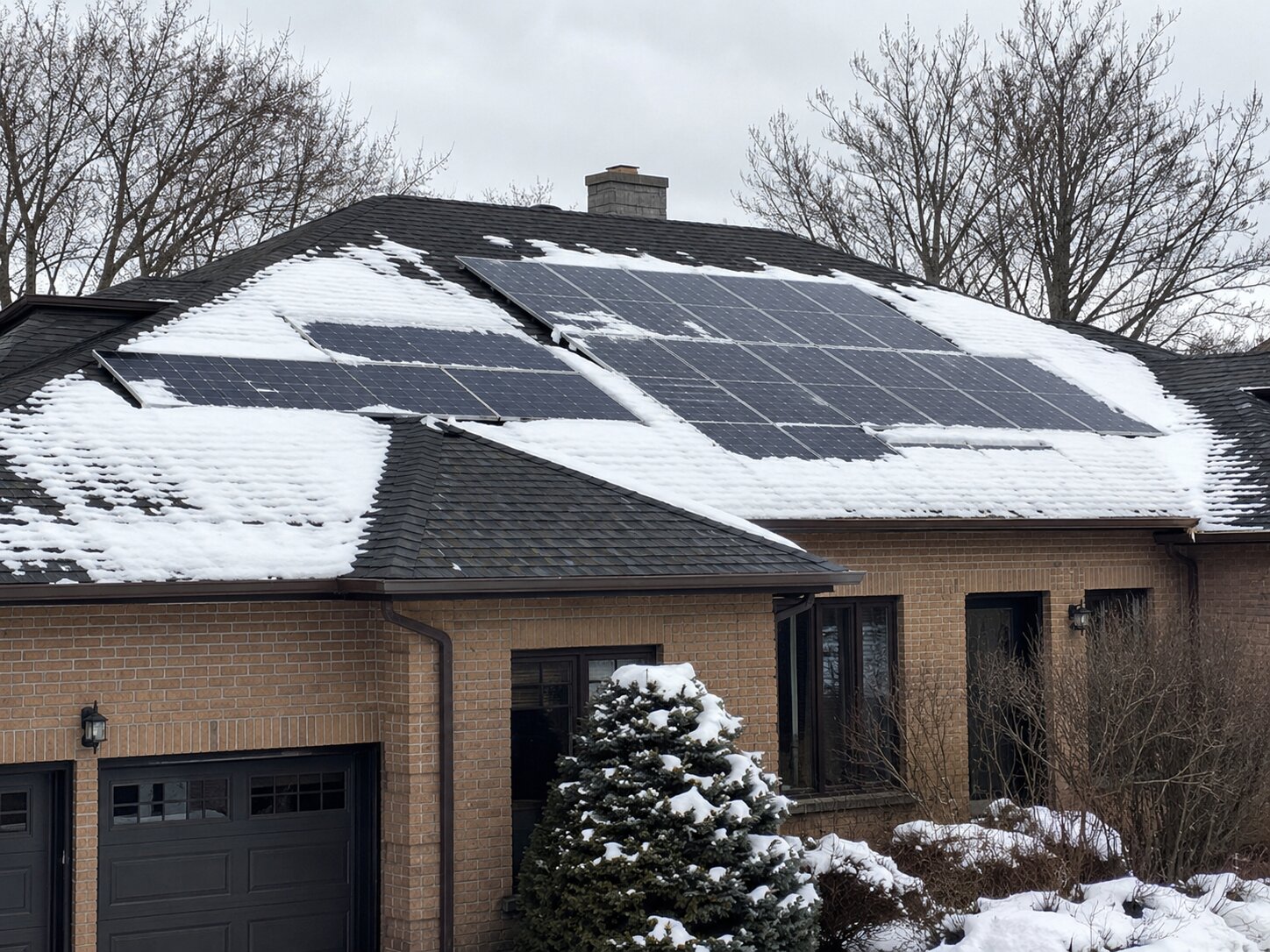
Cold weather does not stop solar panels from working. In some conditions, panels can operate efficiently in cold temperatures. The bigger winter issue in Barrie and Simcoe County is shorter daylight, lower sun angle, snow cover, and shading.
Snow that fully covers panels can reduce production until it slides off or is safely cleared. Roof pitch and panel placement can make a difference.
In areas such as Collingwood, rural properties, and wind-exposed locations, roof design and seasonal conditions should be reviewed before equipment is selected. Our Collingwood electricians can help assess how the electrical side of a project should be prepared for local conditions.
Local Tip: Shade Matters More Than Many People Expect
A small amount of shade can affect production, especially when it hits panels during peak sunlight hours. Trees, chimneys, dormers, neighbouring buildings, and seasonal sun angle should all be considered before solar equipment is placed.
Solar Power and EV Charging
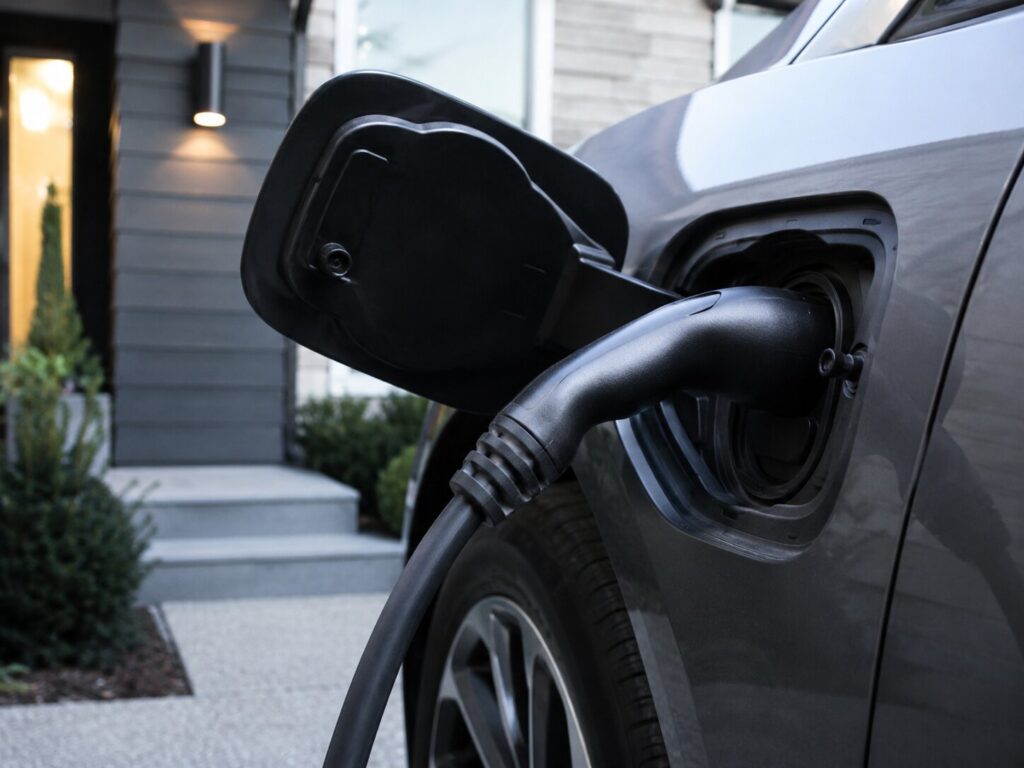
Solar energy can support EV charging, but timing matters. A vehicle may charge at night, while solar panels produce power during the day.
That does not make solar and EV charging a bad match. It simply means the system needs the right electrical planning. Some homeowners may charge during daylight hours. Others may use grid power at night while solar offsets other daytime consumption.
Battery storage can also change the equation, but batteries add cost and complexity. Before planning solar around an electric vehicle, it helps to understand charger levels, charging speed, and panel demand through our guide to types of electric vehicle chargers.
Frequently Asked Questions
Yes, but production drops. Solar panels can still generate electricity on cloudy days because some light still reaches the panels.
They can contribute to whole-home electricity use, but whether they cover the full demand depends on system size, energy use, roof space, sunlight, and whether batteries are included.
Not always. Many grid-tied systems shut down during outages for safety. Backup power requires additional equipment such as batteries, a properly designed transfer setup, or another approved backup system.
In most home and business systems, yes. Solar panels produce DC power, while buildings usually use AC power. The inverter makes that conversio
Planning Solar Around the Electrical System
Solar energy starts with sunlight, but a working system depends on much more than the panels. The inverter, wiring, disconnects, panel capacity, grounding, permits, and inspection process all have to line up.
We look at solar from the electrical side first. That includes how power will enter the building, how the equipment connects, what loads the property uses, and whether future upgrades should be considered.
For homeowners and businesses in Barrie and Simcoe County, solar planning should begin with the electrical foundation. Our CMi Electric quote request page is the best place to start when the goal is to understand what the property needs before solar equipment is added.