

Aluminum wiring in Ontario homes is something buyers and homeowners should take seriously, but it does not automatically mean the entire house is unsafe or needs to be rewired.
The real concern is usually found at the connection points. Outlets, switches, fixtures, junction boxes, breakers, and splices all need to be assessed properly before deciding what repair or documentation is needed.
Where Aluminum Wiring May Be Found
Aluminum branch wiring was used in many homes during past construction periods, often as an alternative to copper. It may be found behind outlets, switches, light fixtures, junction boxes, and inside the electrical panel.
The important word is branch wiring. That means the wiring serving lights, outlets, and smaller household circuits. Aluminum may also be used in larger service conductors in some electrical systems, but the concerns and repair approach are not always the same.
A home’s age can raise the question, but age alone should not be used as a diagnosis. Two homes built around the same time can have different wiring, previous repairs, renovations, panel work, or replacement history.
For homeowners who suspect aluminum wiring in Barrie, our electrical home rewiring in Barrie can help assess whether the issue is limited to connection points or whether a larger rewiring plan should be discussed.
Safety Tip: Do Not Pull Devices Out to Check Wiring Yourself
Removing outlets, switches, or panel covers can expose live electrical parts. If aluminum wiring is suspected, leave the investigation to a Licensed Electrical Contractor.
Why Connection Points Matter Most
Aluminum wiring behaves differently than copper. The risk is often connected to how the wire terminates at devices, splices, and equipment.
Connection points can loosen, oxidize, or heat up if they were not installed with compatible devices and approved methods. Over time, that can lead to arcing, overheating, flickering, or damage around outlets and switches.
This is why aluminum wiring should not be judged only by whether the lights turn on. A circuit may appear normal while a connection point is deteriorating behind the wall plate.
A proper inspection looks at the type of wiring, the devices connected to it, the quality of the terminations, visible signs of heat, panel conditions, and any history of nuisance issues.
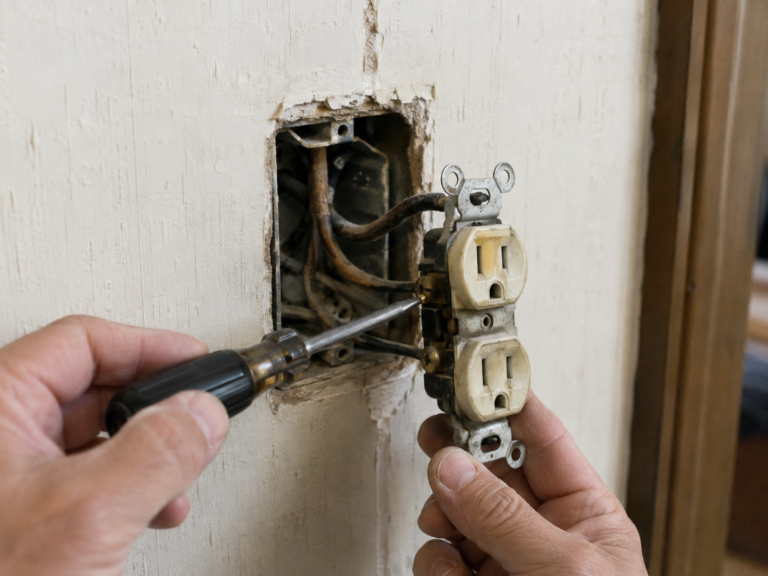
Warning Signs Homeowners Should Not Ignore
Some aluminum wiring concerns show up through small warning signs before a larger issue develops. Warm outlets, flickering lights, buzzing sounds, discoloured wall plates, melted plastic, intermittent power, or a burning smell should be treated seriously.
Breaker trips can also be part of the pattern, but a tripping breaker does not automatically prove aluminum wiring is the cause. The issue could be an overloaded circuit, faulty appliance, damaged device, poor connection, or another wiring fault.
Homeowners should pay close attention to repeated symptoms in the same area. A light that flickers every time an appliance runs, an outlet that feels warm with normal use, or a switch that smells hot deserves inspection.
Do not keep using a problem outlet because it still works. Electrical heat and arcing are warning signs, not inconveniences.
Local Tip: Older Renovations Can Hide the Real Condition
In many Ontario homes, renovations may have changed outlets, fixtures, switches, or panel connections over time. A room that looks updated may still have older wiring behind newer finishes.
Inspection Comes Before the Repair Plan
Not every home with aluminum wiring needs the same solution. The correct repair depends on the wiring condition, the number of affected circuits, the device compatibility, the panel condition, the homeowner’s plans, and the documentation needed for insurance or resale.
A Licensed Electrical Contractor can inspect representative areas, review the panel, check for visible heat damage, identify device types, and determine whether previous remediation appears to have been completed properly.
The inspection should also consider how the home is being used today. A home with heavy electrical demand, renovations, EV charging plans, a finished basement, or older devices may need a different conversation than a home with limited use and well-documented remediation.
For buyers and homeowners in Orillia, home rewiring in Orillia may become part of the discussion when aluminum wiring is widespread, outdated devices are present, or the homeowner wants a long-term correction instead of limited remediation.
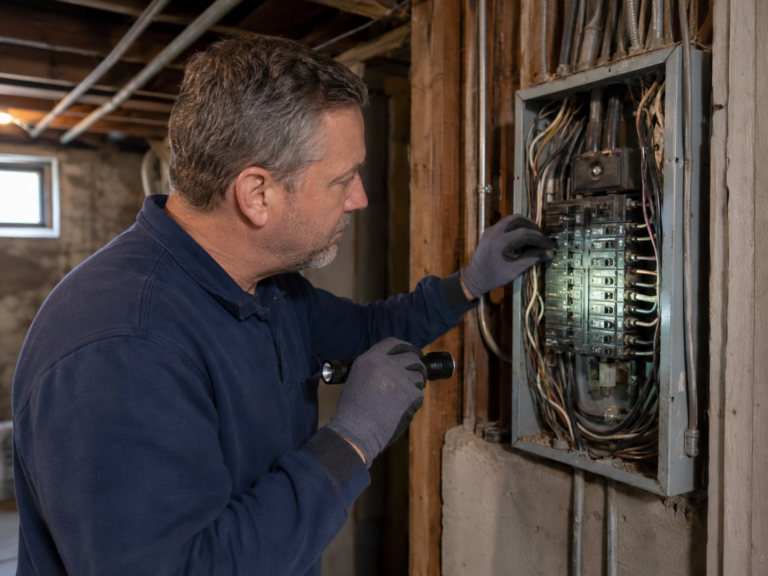
Approved Remediation Options
Aluminum wiring repairs should use approved methods and compatible materials. The goal is to create safe, reliable connections between the aluminum conductors and the devices or equipment they serve.
Depending on the home, remediation may involve approved connectors, antioxidant compound where required, compatible devices, pigtailing methods, device replacement, junction box repairs, or circuit-specific corrections. The exact approach should be chosen after inspection.
The key is compatibility. Standard devices that are not rated for aluminum wiring should not be treated as acceptable just because they fit in the box. The connection method matters.
Homeowners should avoid quick fixes, unapproved connectors, or handyman repairs. Aluminum wiring repair is not just a cosmetic device swap. It has to be done with the right products, technique, and documentation.
For general homeowner context, the Electrical Safety Authority aluminum wiring guidance is a useful authority reference before deciding how to proceed.
When Full Rewiring May Be Considered
Full rewiring is not automatically required just because aluminum wiring is present. In some homes, targeted remediation may be enough when the wiring is in acceptable condition and the connections can be repaired properly.
Full rewiring may be considered when there are widespread concerns, repeated overheating, damaged insulation, unsafe previous repairs, major renovations, heavy future electrical demands, or when the homeowner wants to remove the issue entirely.
A full rewire may also make sense when walls or ceilings are already being opened for renovation. If access is available, the cost and disruption may be easier to manage than trying to return later.
The decision should be practical. A homeowner planning to stay long term may choose a different path than a buyer who needs insurance documentation before closing.
Home Purchase and Insurance Documentation
Aluminum wiring often becomes urgent during a home purchase. A buyer may learn about it from a listing, home inspection, insurance question, or lender request.
Insurance companies may ask for documentation showing the wiring has been inspected or remediated. The exact request can vary, so homeowners should ask the insurer what information is required before booking work.
A home inspector may identify possible aluminum wiring, but that is not the same as a licensed electrical assessment. The electrical condition, connection quality, panel work, and repair options should be reviewed by a qualified electrical contractor.
Buyers should not panic, but they should not ignore it either. The right move is to confirm what is present, understand the risk, gather documentation, and make a decision based on the actual condition of the home.
Ontario homeowners can also review broader Ontario electrical safety information when learning how electrical safety is handled at the provincial level.
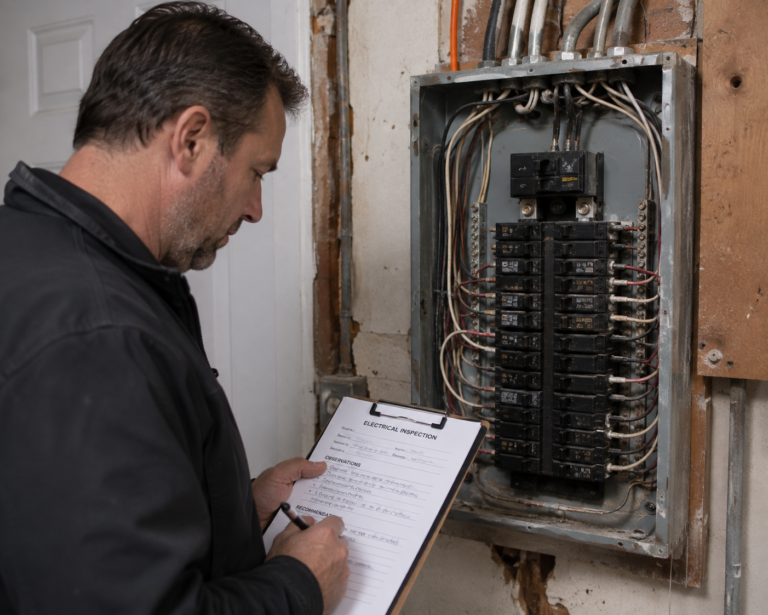
Panel Upgrades and Aluminum Wiring
Aluminum branch wiring and panel upgrades are separate issues, but they can overlap. A homeowner may discover aluminum wiring while planning a panel upgrade, EV charger, renovation, or insurance review.
Upgrading the panel does not automatically correct aluminum wiring in the walls. It may improve panel condition and capacity, but branch circuit connections still need to be assessed.
If the panel is old, crowded, damaged, poorly labelled, or undersized, the upgrade conversation may happen at the same time as the aluminum wiring review. Homeowners comparing broader electrical work can review our guide to electrical panel upgrade cost in Ontario to understand the factors that influence panel-related pricing.
The best approach is to look at the home as a system. Panel condition, wiring type, device compatibility, planned renovations, and future electrical loads all affect the final recommendation.
Frequently Asked Questions
No. Aluminum wiring should be assessed carefully, but not every home requires the same repair. The condition of the wiring, connection points, devices, previous remediation, and current electrical use all matter.
In some cases, yes. Approved remediation methods may be suitable when the wiring is otherwise in acceptable condition. Full rewiring may be considered when there are widespread issues, unsafe repairs, damage, or major renovation plans.
Sometimes, but the insurer may request inspection or remediation documentation. Requirements vary, so buyers and homeowners should ask the insurance company what proof is needed before deciding on the repair path.
Request an Electrical Assessment Before Guessing
Aluminum wiring should be confirmed and assessed before decisions are made. A home’s age, a visual clue, or a general inspection note is not enough to choose the right repair.
The safer path is to review the wiring type, connection points, devices, panel condition, warning signs, and any insurance or resale requirements.
Request an electrical assessment if your home has aluminum branch wiring or unexplained warm outlets and flickering. To start, request an inspection quote and we can review the electrical condition before repair decisions are made.