
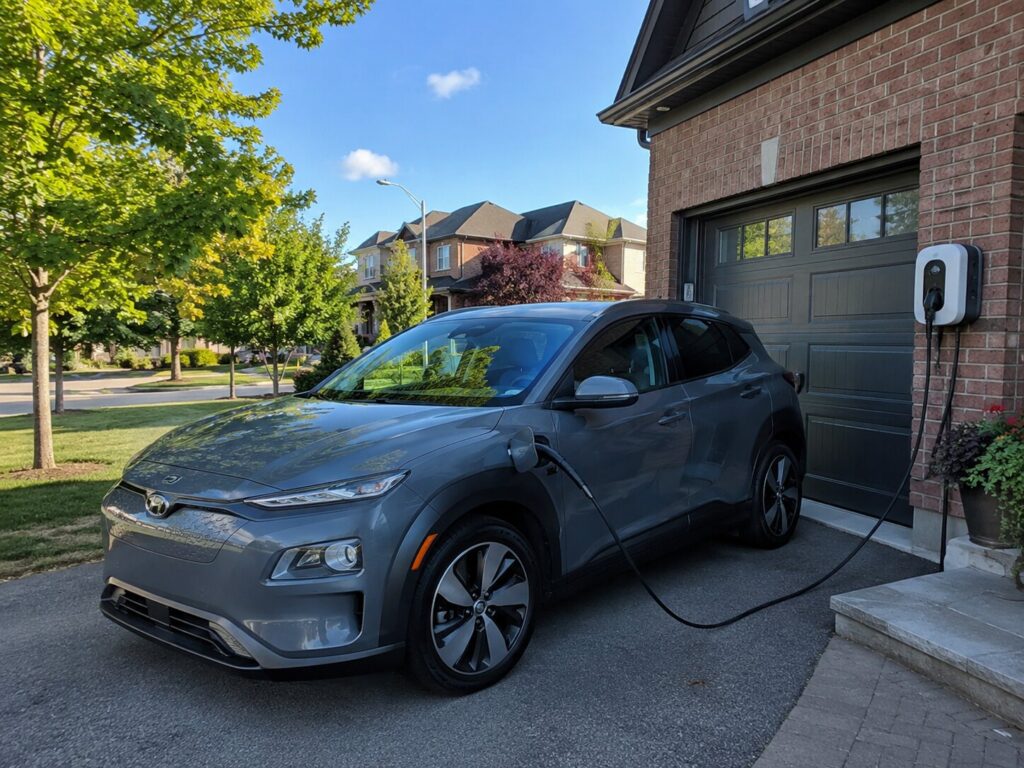
An electric car moves by using stored electricity instead of burning gasoline. The battery supplies power, the motor turns that power into motion, and the charging system keeps the vehicle ready for everyday driving.
For drivers in Barrie and Simcoe County, the vehicle itself is only one part of the picture. A reliable home charging setup often becomes just as important as the car.
The Basic Process: Battery Power Moves the Car
An electric car stores energy inside a large battery pack. When the driver presses the accelerator, the vehicle sends controlled electricity from the battery to the motor.
The motor uses magnetic force to spin. That rotation moves through the drivetrain and turns the wheels.
A gas vehicle needs combustion, pistons, oil, exhaust, and a fuel system. An electric car uses battery power, power electronics, and one or more electric motors. Fewer moving parts does not mean the system is simple, but the way power reaches the wheels is more direct.
For daily use, the biggest practical difference is charging. Many homeowners choose a dedicated Level 2 charger because it makes overnight charging more dependable. Our electric vehicle chargers in Barrie are installed around the home’s panel capacity, parking location, and charging routine.
The Main Parts Inside an Electric Car
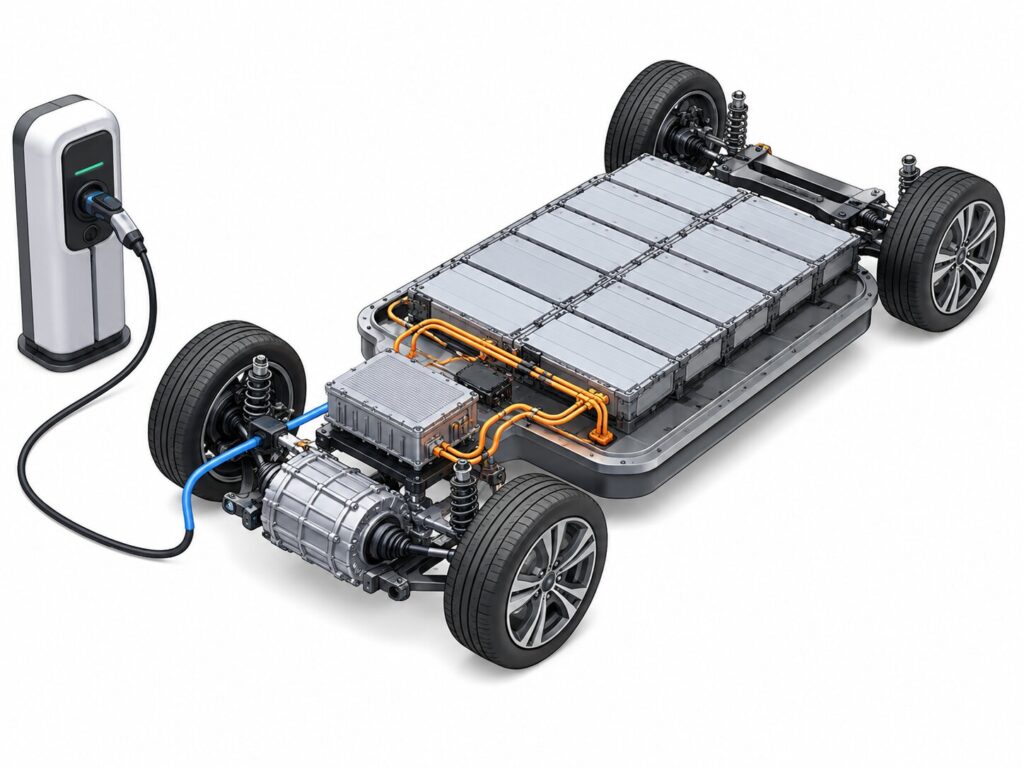
An electric car is built around a few connected systems. Each one has a specific job.
- Battery pack:Stores the energy that powers the vehicle.
- Electric motor:Turns electrical energy into motion.
- Inverter:Converts battery power into the type of power the motor needs.
- Onboard charger:Manages AC charging from a home or public charger.
- Charge port:Connects the vehicle to charging equipment.
- Thermal system:Helps control battery and motor temperature.
The battery does not simply push power straight to the wheels. Power electronics control how much energy moves, where it goes, and how quickly the motor responds.
Little Tip: The Charger and the Onboard Charger Are Different
The charger mounted in a garage is often called the EV charger, but in many cases it supplies power to the vehicle’s onboard charger. The onboard charger inside the car controls how AC power is accepted and sent to the battery.
How the Battery Stores Energy
The battery pack in an electric car is made from many smaller battery cells grouped into modules. Those modules work together to store enough energy for driving.
Battery size is usually measured in kilowatt-hours, often shown as kWh. A larger battery can usually store more energy, but range also depends on vehicle weight, driving speed, temperature, tire condition, and accessory use.
Cold weather can reduce range because the battery has to work harder and the cabin may need heat. In Ontario winters, charging habits become more important because the vehicle can lose efficiency during long cold periods.
How Charging Works at Home
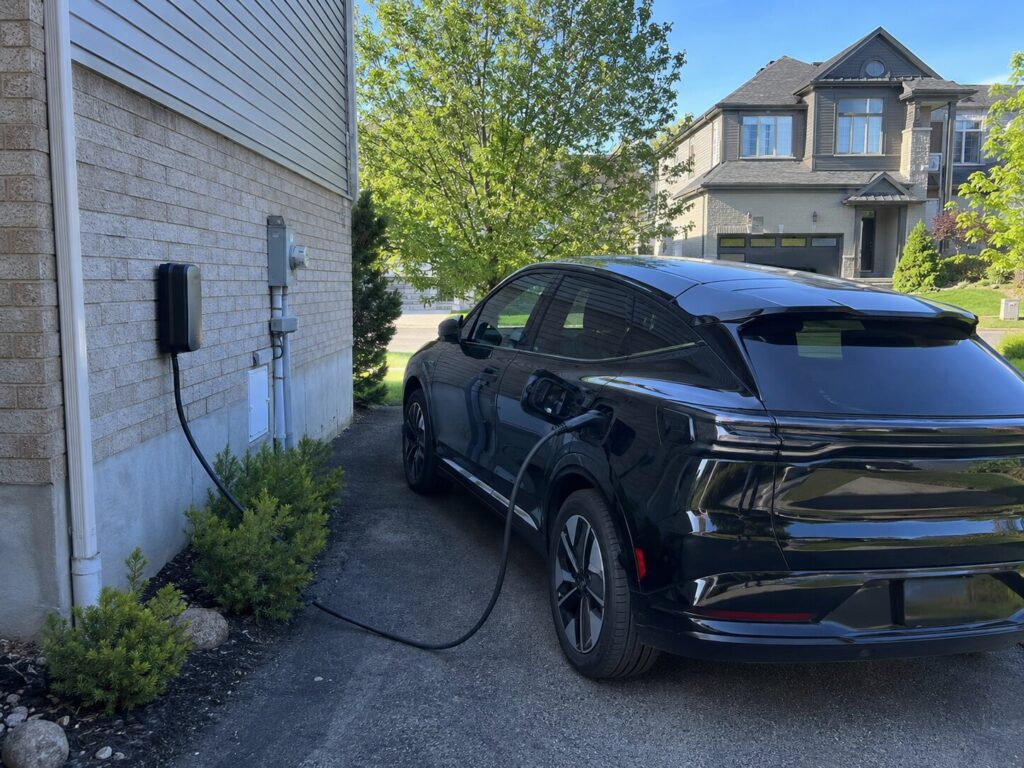
Home charging sends electricity from the house to the vehicle. The vehicle then stores that energy in the battery.
Level 1 charging uses a standard outlet. It can work for light driving, but it is slow. Level 2 charging uses a 240-volt circuit and is much more practical for many EV owners.
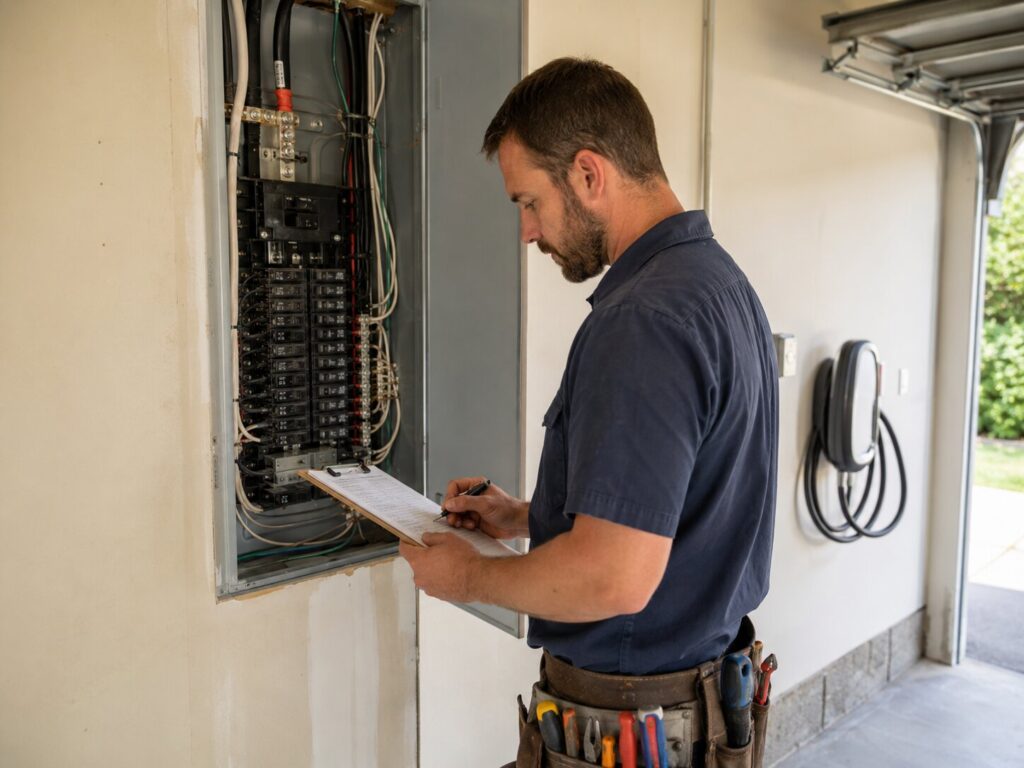
Before installing a Level 2 charger, the electrical panel needs to be checked. The circuit size, available capacity, breaker space, wiring route, charger location, and load calculation all affect the installation.
Older Barrie homes may also need electrical corrections before adding a continuous high-demand load. When the existing system needs attention first, our Barrie home rewiring service can help address wiring, panel, and safety concerns before EV charging is added.
What Happens When You Press the Accelerator
Pressing the accelerator does not open a throttle the same way it does in a gas vehicle. Instead, the car’s control system reads the driver’s request and sends the right amount of power to the motor.
The inverter plays a major role here. The battery stores DC power, but many EV motors use AC power. The inverter converts and controls that power so the motor can produce smooth acceleration.
This is why electric cars often feel quick from a stop. The motor can produce strong torque immediately, without waiting for engine speed to build.
What Regenerative Braking Does
Electric cars can recover some energy while slowing down. This is called regenerative braking.
When the driver lifts off the accelerator or presses the brake, the motor can act like a generator. Instead of using electricity to create motion, it uses the car’s motion to create electricity. Some of that energy goes back into the battery.
Regenerative braking does not remove the need for regular brakes. The vehicle still uses a physical braking system. Regeneration simply reduces wasted energy and can make city driving more efficient.
Why Home Electrical Planning Affects EV Ownership
The car may be advanced, but the charging experience depends heavily on the property. A charger installed on the wrong circuit, in the wrong location, or without proper capacity planning can create inconvenience and safety issues.
Some homes can support Level 2 charging without major upgrades. Others may need load management, panel changes, or a review of other large electrical loads.
For drivers comparing charging options, our guide to types of electric vehicle chargers explains the difference between Level 1, Level 2, and DC fast charging in more detail.
A homeowner in Orillia may have different driving patterns than someone commuting mainly within Barrie. Rural properties, longer daily routes, and garage location can all affect charger placement. Our Orillia electricians can review the electrical setup before a charger is installed.
How Electric Cars Handle Heating, Cooling, and Accessories
An electric car uses the battery for more than driving. Heating, air conditioning, lights, screens, defrosters, wipers, and onboard electronics all use energy.
Heating can have a noticeable effect in winter because the vehicle does not have engine heat to reuse the same way a gas car does. Some EVs use heat pumps to improve efficiency, while others rely more heavily on resistive heating.
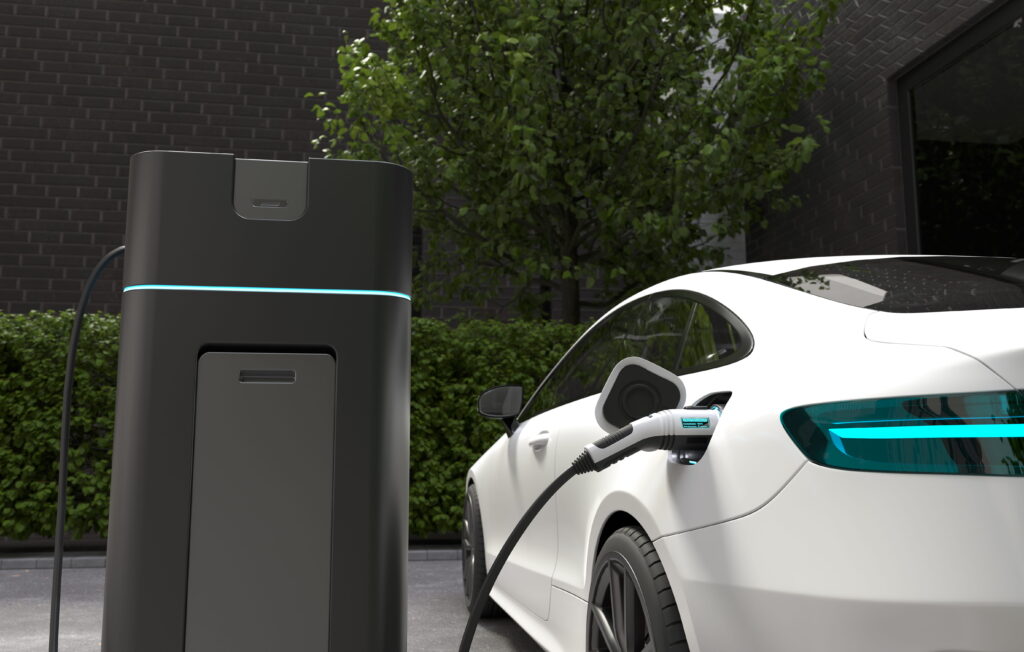
Preconditioning can help. When the car warms the cabin and battery while still plugged in, less battery energy is used once the drive begins.
How Electric Cars Handle Heating, Cooling, and Accessories
An electric car uses the battery for more than driving. Heating, air conditioning, lights, screens, defrosters, wipers, and onboard electronics all use energy.
Heating can have a noticeable effect in winter because the vehicle does not have engine heat to reuse the same way a gas car does. Some EVs use heat pumps to improve efficiency, while others rely more heavily on resistive heating.
Preconditioning can help. When the car warms the cabin and battery while still plugged in, less battery energy is used once the drive begins.
Do Electric Cars Need Less Maintenance?
Electric cars usually need less motor-related maintenance than gas vehicles. There are no oil changes, spark plugs, exhaust systems, or timing belts tied to a combustion engine.
That does not mean an EV has no maintenance. Tires, brakes, suspension, coolant systems, filters, software, and battery health still matter.
The home charging setup also needs to be treated as part of the overall ownership plan. A charger should be installed with proper wiring, protection, and placement so it can handle regular use over time.
For homes in Innisfil and nearby lake-area communities, outdoor charger placement may need extra attention because of weather exposure, driveway layout, and parking habits. Our electricians in Innisfil can review those site details before installation.
Frequently Asked Questions
Charging time depends on the battery size, charger level, circuit capacity, and current battery charge. Level 2 charging is usually much faster than a standard household outlet.
A fully electric car does not use gasoline. A plug-in hybrid uses both electricity and gasoline because it has a battery system and a gas engine.
Not always without review. Some homes have enough available capacity, while others may need load management, panel changes, or other electrical work before a charger is added.
Getting Your Home Ready for an Electric Car
An electric car works by storing energy in a battery, sending that energy through power electronics, and using an electric motor to turn the wheels. The vehicle handles the driving technology, but the home electrical system affects how easily the car fits into daily life.
Good charging starts with the right circuit, safe equipment, proper placement, and a clear look at the home’s electrical capacity.
For EV charger planning in Barrie or Simcoe County, our CMi Electric quote request page is the place to begin.